Bid Bond Guide



Get a free quote online with a soft credit pull.

As the nation's largest volume bond producer, we negotiate the best rates.

Your bond will be accepted, or we’ll refund your payment in full.
What is a Bid Bond?
A bid bond is a type of surety bond that guarantees a contractor’s bid is accurate and that they will follow through if awarded the job. It assures the project owner (the obligee) that the contractor will provide a performance bond and begin work at the price and terms proposed.
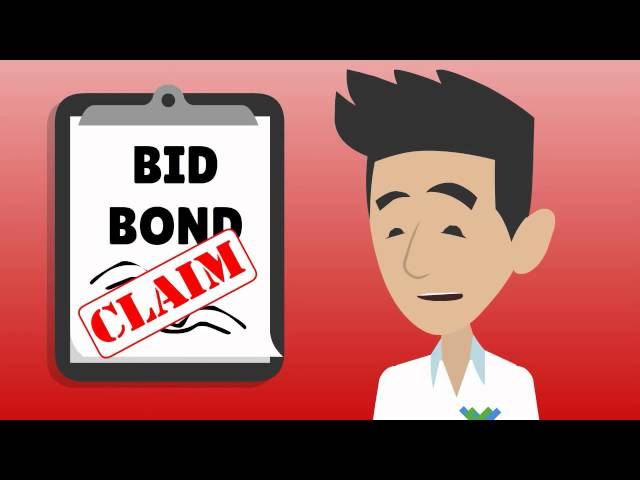
If the contractor backs out, can’t get a performance bond, or underbids the project and can’t follow through, the obligee can file a claim against the bid bond to recover costs.
This protection is especially important for public construction projects, where the bidding process requires time and money to organize. Public agencies typically invest in:
- Architects and engineers to review proposals
- Pre-bid meetings with interested contractors
- Promotion of the project to ensure competitive bids
A bid bond ensures that effort isn’t wasted if a contractor walks away after being selected.
Like every surety bond, a bid bond is a three-party agreement. Knowing who's who makes the rest of the process much easier to follow:
- The Principal: You, the contractor purchasing the bond and submitting the bid.
- The Obligee: The project owner (or general contractor) who requires the bond and is protected by it.
- The Surety: The bonding company that issues the bond and backs your bid. If a valid claim is paid, the surety is reimbursed by you under your indemnity agreement.
The bond doesn't protect you. It protects the obligee, and you remain financially responsible for any valid claim.
How Bid Bonds Work
Bid bonds are submitted with your proposal to the obligee (the party requiring the bond). If your bid is inaccurate, you win the project but back out, or you can't post a performance bond, a claim can be filed on your bond that you must pay and you'll likely lose the job.
This often happens when a contractor underestimates the costs by missing a major expense, and as a result can't get approved for the performance bond needed to do the work.
The Life of a Bid Bond, Step by Step
- The owner advertises the project and lists the bid bond requirement in the bid documents.
- You obtain a bid bond from your surety for the required percentage of your bid.
- You submit the bond with your proposal before the deadline. A bid with no bond attached is rejected automatically.
- Bids are opened and evaluated by the owner.
- If you don't win, the bid bond simply expires at the end of the bid acceptance period, no cost, no obligation.
- If you win, you sign the contract and post the performance and payment bonds. Once those are in place, the bid bond has done its job.
What Happens If You Win But Back Out
If you're awarded the job and then walk away or can't provide the performance bond, the owner files a claim. The claim is usually the difference between your bid and the next-lowest bid the owner has to accept instead, up to the full face value of the bond. For example, if you bid $500,000 and the next bidder is at $530,000, the owner can typically claim the $30,000 difference. Some bonds use forfeiture language, meaning you lose the entire bond amount regardless of the spread. Either way, you then repay the surety.
How Much Does a Bid Bond Cost?
Most bid bonds are free or cost a small flat fee, typically $100 or less. Unlike performance bonds, bid bonds don't carry a percentage-based premium tied to your credit.
Why are they usually free? When you submit a bid bond, the surety isn't taking on the risk of the actual construction work yet, it's just vouching that it'll back you if you win. Sureties make their money on the performance and payment bonds you buy after you're awarded the job, so the real cost shows up at that next step.
What Each Bond Actually Costs
- Bid bond: usually free; some agencies charge a small flat fee. No percentage premium.
- Performance & payment bonds: about 1–3% of the contract amount, based on your credit, financials, and experience. On a $500,000 job, that's roughly $5,000–$15,000.
- SBA-guaranteed bonds: the SBA charges no fee on bid bond guarantees; for the performance and payment bonds, you pay the SBA 0.6% of the contract price, on top of the surety's normal premium.
What Affects Your Cost and Your Limits
For smaller bonds, approval and pricing are based mostly on the owner's personal credit. For larger jobs, the surety also reviews your business financials, work history, and the size of the contract. Stronger credit and a solid track record mean better rates and higher limits.
Those limits come in two forms: your single limit (the largest bond you can get for one job) and your aggregate limit (the total bonded work you can carry at once). As you complete bonded projects successfully, both tend to grow — which is why building a relationship with one surety pays off over time.
A cash advantage worth knowing. Some owners will accept a certified or cashier's check instead of a bid bond, but that ties up your cash while your bid sits pending. A bid bond doesn't lock up any of your money or bank credit, which is a big reason most contractors prefer it. Want the full breakdown? See our surety bond pricing guide.
Who Requires Bid Bonds?
The party that requires the bond is whoever owns the project. On public work, it's often required by law. Here's who typically asks for one:
- Federal projects. Most federal construction jobs require bonding under the Miller Act. We cover how that works in the section below.
- State and local public projects. State, county, and city jobs usually require bid bonds too, under each state's "Little Miller Act." Because taxpayer money pays for the work, the public agency wants a guarantee before it accepts your bid.
- Private projects. Private owners aren't required by law to ask for a bid bond, but many do anyway, especially on larger commercial jobs to protect themselves if a contractor backs out.
- General contractors. On big projects, the general contractor may require its subcontractors to provide bid bonds as well.
When are they not required? Smaller jobs and many private projects don't require a bid bond at all. Whether one is required and how big it has to be is always spelled out in the bid documents (the invitation to bid). When in doubt, check those documents first.
How to Get a Bid Bond
Getting a bid bond is usually quick, especially on smaller jobs. Here's the process from start to finish:
- Gather your bid documents. Collect the bid invitation letter, the bid request form, and the job specifications from the project owner. These tell the surety what you're bidding on and how big the bond needs to be.
- Apply with a bond agency. Fill out a short online application. For most bonds you'll just answer a few basics: how much your bid is, the bid date, whether you've been bonded before, how long you've been in business, and your credit. Applying online with us takes only a few minutes.
- Get the right bond form. We have all industry-standard forms on file and can provide the AIA bid bond form. If the owner requires their own specific form, you'll need to get that one from them.
- Provide extra paperwork for larger jobs. For bids over about $350K, the surety needs more than your personal credit. You'll typically provide business financials, your work history, and a job cost breakdown, ideally with statements prepared by a construction CPA.
- The surety reviews and approves. The bonding company checks that you can realistically complete the job. They look at your finances, your experience, and your track record on similar projects, then approve the bond.
- Submit the bond with your bid. Once issued, include the bid bond with your proposal before the bid deadline. A bid submitted without the required bond is rejected automatically, so don't leave this to the last minute.
Check out our construction bonds guide where you'll find every bond you need to work on public projects.
Bid Bond Obligations and Liability
A bid bond isn't just a formality you attach to a proposal, it commits you to real obligations and real financial liability. Here's exactly what you're signing up for.
- Your obligation: If you're awarded the job, you're obligated to honor your bid: sign the contract at the price and terms you proposed, and provide the required performance and payment bonds. If you can't or won't, you've breached the bond and exposed yourself to a claim.
- What you're liable for: You are responsible to repay the surety for any valid claim it pays, which can reach the full face value of the bond, plus legal and recovery costs. The bond protects the obligee, not you. A claim isn't like an insurance payout that the insurer absorbs; the surety pays the obligee and then comes to you for reimbursement.
- The indemnity agreement: To get the bond, you sign an indemnity agreement, a legal contract pledging your corporate and personal assets to repay the surety for any loss. If you're married, your spouse will usually have to sign as well, because marital assets are legally shared and the surety wants both signatures behind the guarantee.
- Joint liability: When a valid claim is filed, both you (the principal) and the surety are liable to the obligee. In practice, the surety pays the obligee first to make them whole, then recovers that amount from you under the indemnity agreement.
- How to limit your exposure: You can keep your liability low with a few habits: bid accurately, only bid work you can realistically bond and complete, and confirm you can qualify for the performance bond before you submit.
Can You Withdraw a Bid Without Losing Your Bond?
Timing is everything. In most cases you can withdraw a bid before bids are opened without any penalty to your bond. Once bids have been opened and you're identified as the low bidder and especially once the contract is awarded, withdrawing typically forfeits the bid security and exposes you to a claim.
Solicitations usually spell out the exact withdrawal window and any conditions, so read those terms carefully before you submit. If you spot a serious error in your bid after submission, contact the obligee and your bond agency right away rather than simply walking away.
Do Subcontractors Need Bid Bonds?
Usually, only the prime contractor (the party bidding directly to the project owner) is required to provide a bid bond, and subcontractors are often exempt. That said, on large or complex projects where individual subcontracts are themselves high-value, a general contractor may require its subs to be bonded as well.
The rule of thumb: the bigger and more critical the scope, the more likely the party above you in the chain will want a guarantee that you'll follow through. Always check the bid documents for who specifically must furnish bonds.
The Miller Act & Little Miller Acts
The legal reason most public jobs require bonding comes from the Miller Act (40 U.S.C. §§ 3131–3134), the federal law that requires performance and payment bonds on most federal construction contracts above a set dollar threshold. On federally funded projects, a bid guarantee is generally required whenever a performance or payment bond is required, and bid bond amounts are commonly set at a percentage of the bid (often up to 20% on federal work).
Most states have passed their own versions, known as "Little Miller Acts" which extend similar bonding requirements to state and local public projects. The exact thresholds and percentages vary from state to state and from one obligee to the next, so always confirm the requirement in your specific solicitation.
The federal figures above are examples drawn from federal acquisition rules and are provided for general guidance only. Requirements differ by jurisdiction and by project. For the federal framework, see the FAR Part 28 — Bonds and Insurance reference, and confirm your state's Little Miller Act rules before bidding.
Can You Get a Bid Bond with Bad Credit?
Often yes, but it depends on how serious the credit issues are. Bid bonds are easier to qualify for than performance bonds because the surety's risk is more limited. Minor credit problems usually aren't a dealbreaker. Major credit problems are tougher, and there generally aren't "bad credit" markets for contractors with serious issues.
The catch: you also have to qualify for the performance bond. A bid bond only guarantees that you'll provide a performance bond if you win. So if your credit or financials can't support the performance bond for that project size, the bid bond doesn't help, you win the job but be unable to follow through. A good surety agent will check your performance bond eligibility before issuing the bid bond, so you're never put in that spot.
If standard bonding is out of reach, the SBA's Surety Bond Guarantee Program is worth a look. It helps small businesses, including startups and contractors who can't get bonded through standard channels by backing part of the bond for the surety. It currently covers contracts up to $9 million, and up to $14 million on federal contracts when a contracting officer certifies it's needed. You'll still have to meet the surety's credit, capacity, and character requirements, but the SBA's guarantee can tip a borderline approval in your favor.
Not sure where you stand? Talk to a bond professional and we'll tell you honestly what you qualify for.
Ready to Get Started?
Get a real-time quote today.
Need more details on pricing? Check out our:
What is the Difference Between a Bid Bond and a Performance Bond?
Bid bonds are needed before you obtain a performance bond, as they guarantee that your bid is accurate and that the surety will provide you a performance bond if you are awarded the job. Conversely, performance bonds are needed to perform work on the awarded job, and guarantee you will do so according to the contract in place.
It's important to note that contractor license bonds are different from performance and payment bonds (but often confused with them), and are required to obtain a license rather than work on public projects.
The Beginner's Guide to Bidding and Winning Public Jobs
We created a comprehensive guide which explains everything you must know in order to bid on and win projects. The topics covered in the e-book include:
- The pros and cons of bidding on public construction projects
- Bid solicitation procedures
- What influences the bid process
- How to bid on public projects
- Surety bonds for bidding and construction
- Why you need to understand bond claims
This e-book was created to help potential contractors navigate the process of bidding and winning public construction projects.
All You Need To Know About Surety Bonds!
Frequently Asked Questions
What is the meaning of a bid bond?
A bid bond is a guarantee that the bid you submit is serious and accurate, and that if you're awarded the job you'll sign the contract and provide the required performance bond. If you back out, the project owner can file a claim against the bond.
What does a 5% bid bond mean?
It means the bond amount equals 5% of your bid (or of the contract amount the owner specifies). For example, on a $400,000 bid, a 5% bid bond would be $20,000. Most bid bonds fall between 5% and 10%.
What is an example of a bid bond?
Say a city requires a 10% bid bond on a $500,000 paving project. You submit a $50,000 bid bond with your proposal. You win, but then back out. The city hires the next-lowest bidder at $530,000 and files a claim against your bond for the $30,000 difference which you're responsible to repay.
How much does a $40,000 surety bond cost?
It depends on the bond type and your credit. Many surety bonds cost about 1–3% of the bond amount per year for applicants with good credit, so roughly $400–$1,200 on a $40,000 bond. Weaker credit can push the rate higher. Bid bonds are the exception: they're usually issued free, with the cost showing up in the performance bond you buy after winning the job.
Who qualifies for a bid bond?
You can apply on our website and find out if you qualify, but not everyone does. Approvals for smaller contractors are based strictly on the owner's personal credit. For larger contractors, credit strength, experience, the type of work being performed and financial strength is all considered.
How much is a bid bond claim?
In most cases, a claim equals the difference between your bid and the next-lowest bid the obligee has to accept, up to the full face value of the bond. Some bonds use forfeiture language, in which case you can lose the entire bond amount regardless of the spread.
What is the difference between a bid bond and a bid guarantee?
"Bid guarantee" is the broader term for any bid security an obligee accepts. A bid bond is the most common form; others can include a certified or cashier's check or a letter of credit, depending on the project.
How long is a bid bond good for?
A bid bond stays in force only for the bid acceptance period named in the solicitation (commonly 60–120 days). It expires once the contract is awarded and your performance and payment bonds are posted, or once the bid period lapses if you aren't selected.
Ready to Get Started?
Get a real-time quote today. You’ll be bonded in minutes, not days!